Preparing for Your First ESL Class: What to Expect
Preparing for Your First ESL Class: What to Expect, explores the real-world conditions of ESL teaching and how teachers learn to adjust, reflect, and grow.
Teaching ESL is rewarding, creative, and full of small wins but it also comes with surprises. No two classrooms are the same and expectations can vary widely depending on where and how you teach. Understanding this early can help you feel more prepared, confident, and ready to adapt.
ESL Classrooms Are Diverse by Nature
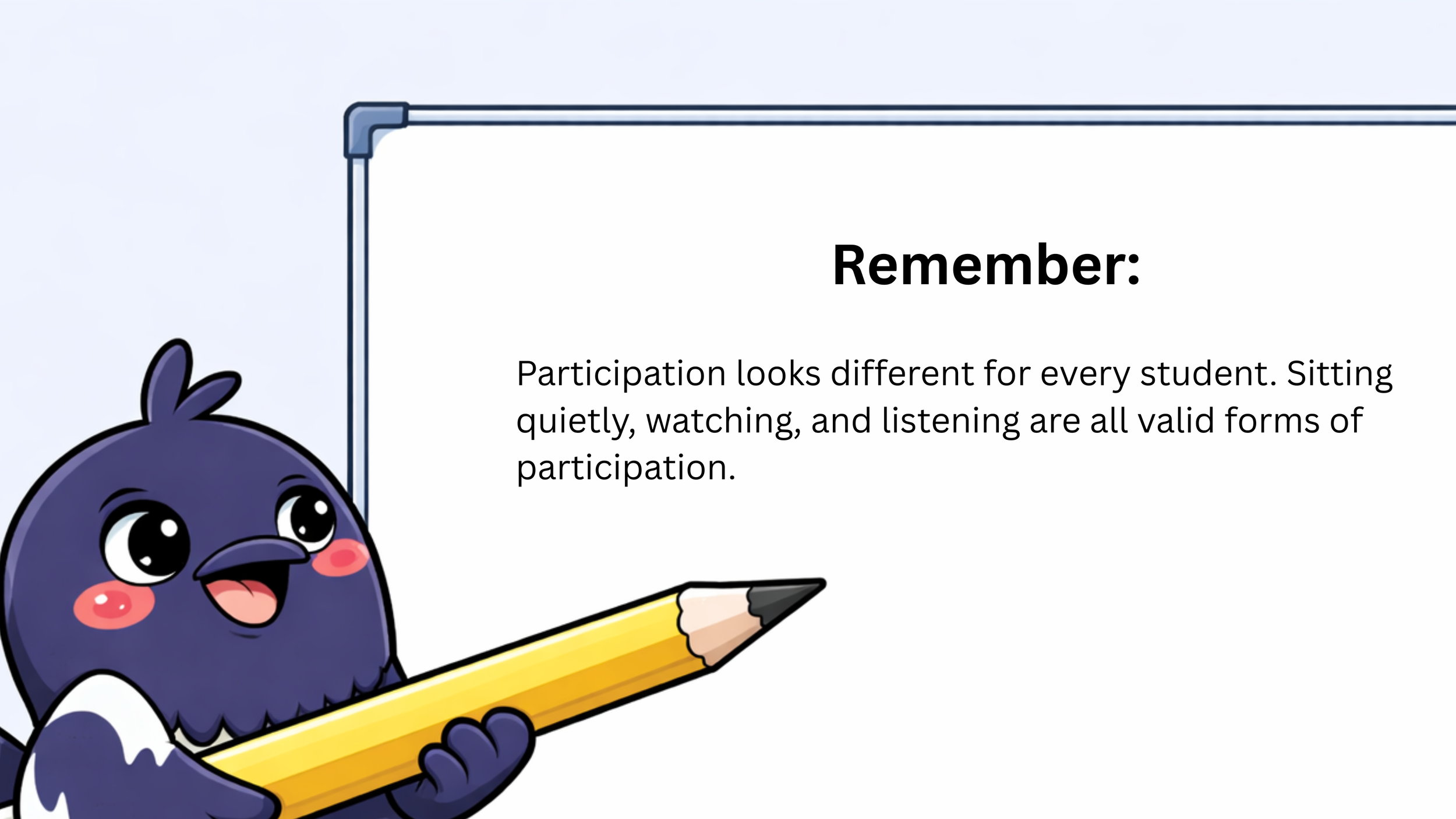
Students enter the classroom with different levels of English, confidence, learning habits, and comfort speaking in front of others. Some jump in right away while others prefer to listen and observe before participating.
Giving students time to adjust and recognizing that confidence looks different for every child helps create a supportive learning environment where everyone can succeed.
This might look like:
Offering multiple ways to participate
Giving extra wait time before expecting answers
Letting quieter students shine gradually
Give Students Time to Get to Know You
For some students, you may be the first foreign teacher they’ve ever met. It’s normal for children to feel shy, curious, or unsure at first.
Building trust takes time. Learning names, keeping routines predictable, and showing genuine interest in your students helps them feel safe and ready to engage.
Strong relationships make classroom management easier and learning more meaningful.
Set Expectations Early and Keep Them Consistent
Clear routines, rules, and boundaries help students understand what’s expected. When students know what comes next, they feel more secure and focused.
This may include:
Simple classroom rules
Call-and-response chants
Consistent signals for attention or transitions
These small systems help keep lessons running smoothly and support classroom control.
Lesson Planning Looks Different Everywhere
Lesson planning varies depending on the country, school system, and type of institution.
For example, in South Korea, public schools often provide textbooks, but teachers are usually responsible for creating supplementary materials. In private academies (hagwons), most (if not all) materials are provided, but adapting them to fit your class is still essential.
Other environments, such as international schools or tutoring centers, may fall somewhere in between.
Remember: Even when materials are provided, they’re rarely one-size-fits-all.
Preparation Helps, but Flexibility Matters More
You can walk into class with a solid plan and still need to change it. Students may move faster or slower than expected, struggle with instructions, or respond better to a game than a worksheet.
Being flexible might mean:
Simplifying an activity
Extending a task students enjoy
Switching to a more interactive approach when energy drops
Flexibility supports learning and doesn’t weaken your lesson.
Adapting Activities to How Children Learn
Children learn in different ways. Some thrive with movement, others with visuals, and some need repetition to feel confident.
Adapting activities doesn’t mean rewriting your entire lesson. Small changes can help more students succeed, such as:
Offering seated and movement-based options
Using visuals alongside spoken instructions
Breaking tasks into shorter, repeatable steps
Working With a Co-Teacher or Classroom Aid
In many ESL classrooms, you’ll work alongside a co-teacher or classroom aide. Clear communication helps lessons run smoothly and keeps expectations aligned.
This includes:
Sharing lesson goals
Agreeing on classroom roles
Supporting each other during transitions or behavior moments
When teachers work together effectively, students benefit from consistency and structure.
Plan to Fail and Learn From It
Not every lesson will be a success, and that’s okay. Some activities will be a hit while others may fall flat, especially when you’re still learning about your class.
What matters is reflection:
What worked
What didn’t
What could change next time
Teaching improves through experience, not perfection.
The Reality of ESL Teaching
ESL teaching isn’t about following a perfect script. It’s about being prepared, adaptable, and responsive to your students. When you expect variation in learners, materials, and energy levels, you’re better equipped to handle it with confidence.
Key Takeaways
ESL classrooms are diverse and dynamic
Students need time to adjust and build confidence
Lesson planning expectations vary by school and country
Flexibility and adaptation support engagement
Strong relationships and routines create successful classrooms
Ready to Feel Confident on Your First Day?
Every ESL class is unique, but a little preparation goes a long way! Use this Before, During, & After Classroom Checklist to make sure you’re ready to:
Start strong
Stay flexible
Reflect and improve after each class
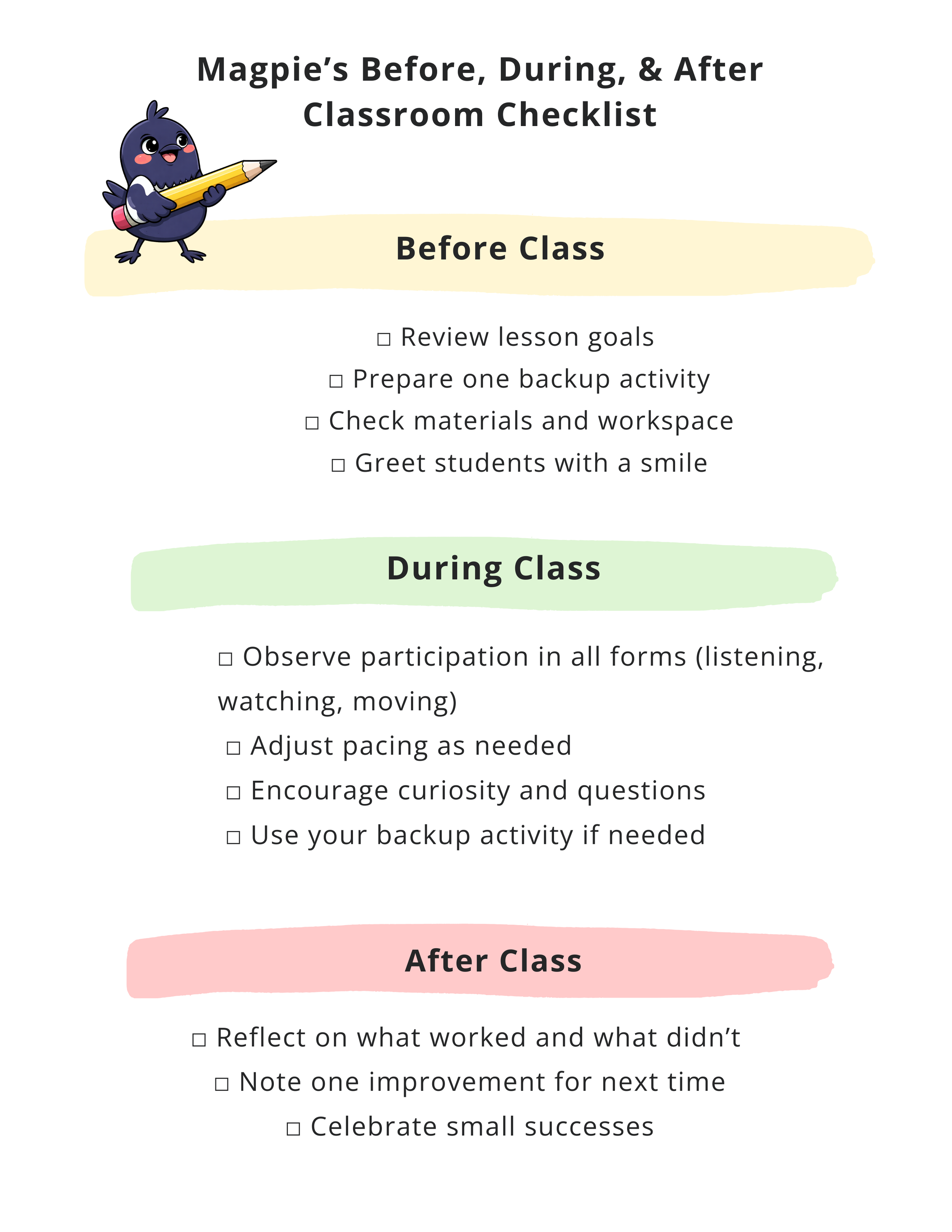

You’ve got this!
Every class will be a little different, but with preparation, observation, and reflection, you’ll guide your students with confidence and care. Keep this checklist handy, try one small adjustment each day, and watch your teaching grow.
Happy teaching, and remember, even the smallest steps make a big difference!
